

General


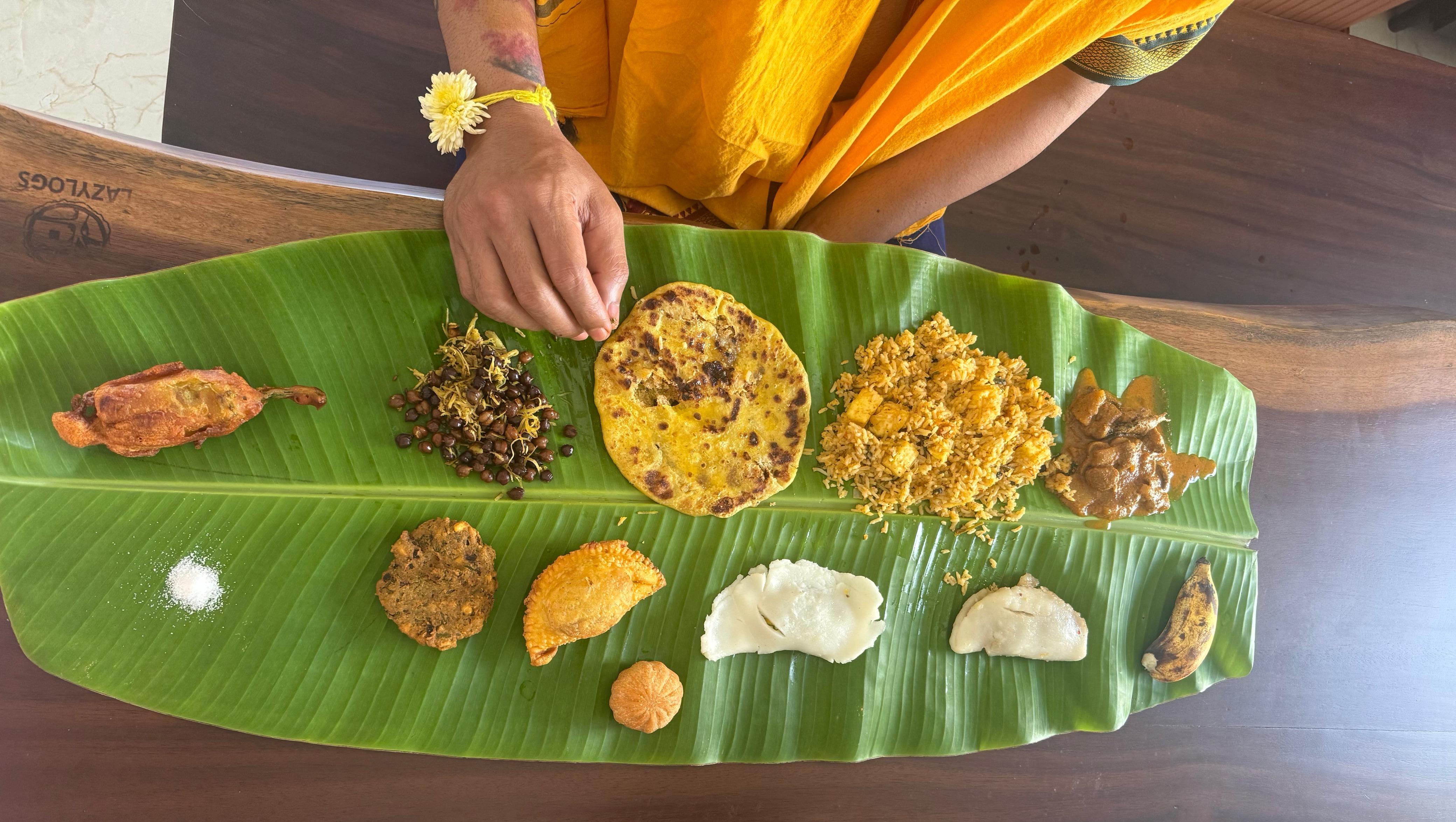
In Sanatana Hindu tradition, hospitality holds a special place, and guests are often treated with the same respect as God. At the same time, certain traditional beliefs emphasise the importance of considering the source of food, the intentions of the person offering it and the manner in which it is prepared. According to these beliefs, food is not merely meant to satisfy hunger; it is also associated with the values and conduct of the people who prepare and serve it. Some spiritual traditions therefore advise caution before accepting meals in certain circumstances.
One category mentioned in these traditional teachings is the home of people who exploit others through excessive interest or earn money through corruption, fraud and other unethical practices. Such earnings are considered unjust, and accepting food purchased with them is discouraged in these beliefs. Homes where anger and hostility are common are also mentioned, as a peaceful atmosphere and a positive state of mind are traditionally considered important while preparing food. Another category refers to people who are unwilling to share what they have and offer hospitality without genuine warmth. These teachings place importance on honesty, generosity and sincerity in both earning and sharing food.
Traditional discussions also mention health and cleanliness while accepting food from others. However, illness should never be a reason to discriminate against or disrespect anyone. The appropriate approach is to follow necessary hygiene and medical precautions, particularly when an infection can spread through food or close contact. A popular episode from the Mahabharata is often cited to highlight the value of genuine affection over material luxury: when Duryodhana arranged a grand feast for Lord Krishna, Krishna is said to have chosen to dine at Vidura’s home, where he was welcomed with devotion and sincerity. The story conveys that love, humility and purity of intention matter more than an elaborate meal. These ideas are best understood as traditional spiritual beliefs rather than a reason to judge or exclude people.
















Comments (0)
No comments yet
Be the first to comment!