
Movies


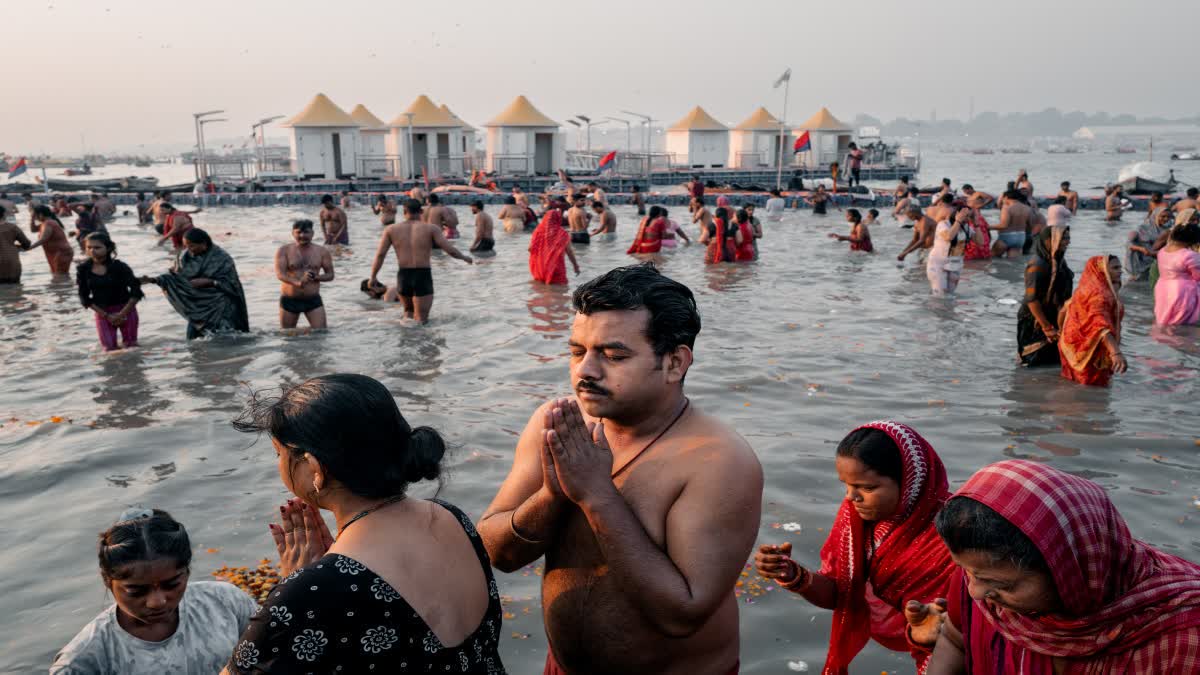
Karthika Masam holds a special place in Hindu tradition and is considered an auspicious period for spiritual practices such as river bathing, lighting lamps, offering prayers to Lord Shiva and Lord Vishnu, reciting Vishnu Sahasranamam and performing charitable activities. According to the Skanda Purana, observing these religious practices is believed to bring spiritual merit. Among them, bathing in sacred rivers before sunrise is considered particularly significant. Traditional beliefs hold that every day of Karthika Masam is suitable for this ritual, irrespective of the tithi, weekday or nakshatra.
According to traditional scriptures, the early morning river waters during Sharad Ritu are associated with medicinal properties and are referred to as Hamsodakam. The ritual known as Hamsodaka Snanam involves bathing in water before sunrise, with the water reaching the abdomen. Devotees are traditionally advised to reach the riverbank before sunrise, complete their daily routines at home, wear clean clothes and avoid activities such as washing clothes or brushing their teeth near the river. They then offer three Arghyas to the Sun God and recite prescribed mantras. The practice of offering water as part of Yaksha Tarpanam and floating lamps in the river is also associated with Karthika Masam.
Traditional beliefs describe Karthika Masam river bathing as highly meritorious, with scriptures associating it with the spiritual benefits of many years of bathing in the Ganga. Bathing in the Ganga during this month is considered especially sacred. Apart from its religious significance, early morning bathing is traditionally associated with discipline and adapting the body to seasonal changes. Some traditional beliefs also connect the medicinal qualities of river water with the influence of moonlight during this period. However, these spiritual and health-related claims are based on religious traditions and may not all have modern scientific evidence.








Comments (0)
No comments yet
Be the first to comment!