

General

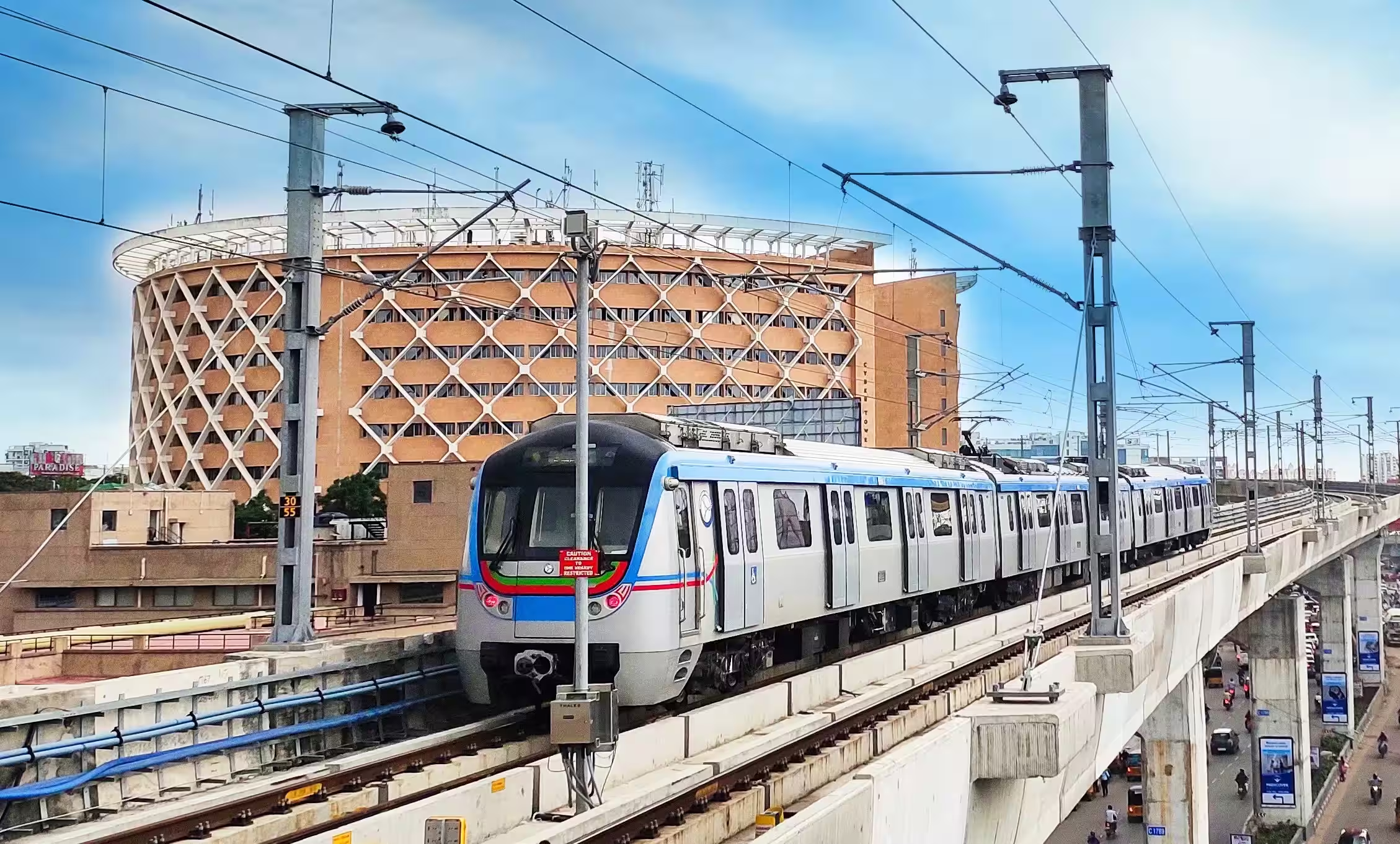
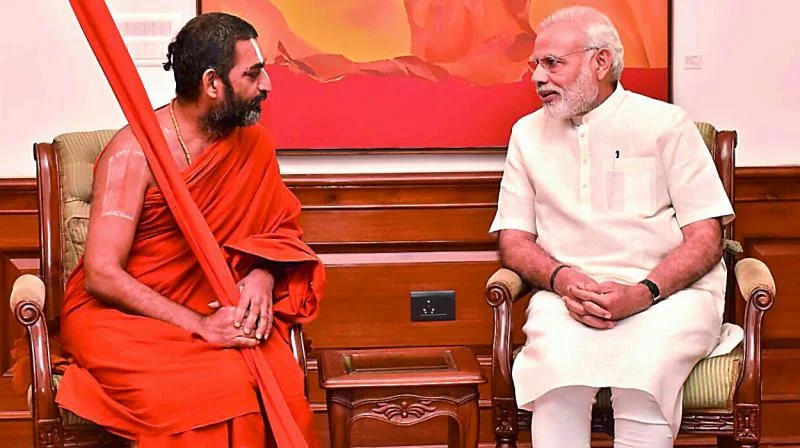
Hyderabad Metro Rail, which has become a lifeline for public transportation in the city, has completed nine years of service and entered its tenth year. The metro was inaugurated on November 28, 2017, by Prime Minister Narendra Modi and then Telangana Chief Minister K. Chandrashekar Rao. Services were gradually opened to passengers from the following day. Over the years, the metro has achieved several milestones and provided commuters with some relief from traffic congestion on major routes. In the past nine years, it has carried around 94.2 crore passengers, with an average daily ridership of approximately 4.5 lakh. On peak days, the number of passengers has reached 5.2 lakh. This year, a common pass covering Metro and RTC services was introduced, with a monthly pass priced at ₹4,000 and a daily pass at ₹275. Tenders have also been invited for the procurement of 60 additional coaches, which are expected to arrive within two years.
Despite its achievements, Hyderabad Metro continues to face financial and operational challenges. The COVID-19 lockdown in 2020 disrupted services for 169 days, and daily ridership has yet to return to the earlier peak of five lakh passengers. At present, 57 trains are operational. The state government has agreed to acquire the first-phase project from L&T for ₹15,000 crore, against an estimated project value of ₹22,000 crore. However, the takeover process has been delayed due to the pending approval of a ₹13,600 crore loan from IRFC. The metro project has accumulated losses exceeding ₹7,000 crore, largely due to interest payments on construction loans, including ₹405 crore in losses during the first six months of the 2026–27 financial year. Meanwhile, the proposed second phase, covering seven corridors and 122.9 km, is awaiting approval from the Centre. On the environmental front, the metro has helped avoid an estimated 629 million kilograms of carbon dioxide emissions. Around 15% of its electricity consumption comes from solar power, supported by 12.4 MW of captive solar generation, while regenerative braking helps recover energy equivalent to approximately 40% of its traction power requirements.










Comments (0)
No comments yet
Be the first to comment!