
General


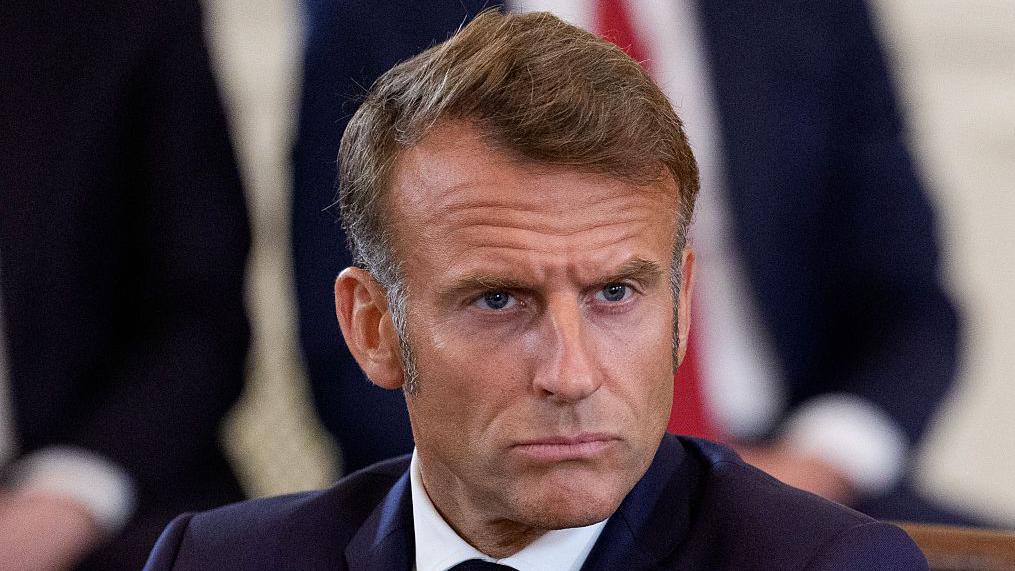
Violent protests across France on Sunday triggered widespread unrest, with around 350 demonstrators reportedly arrested in Paris. Interior Minister Laurent Nunez acknowledged that authorities had struggled to control the demonstrations in Paris and other major cities. He said officials had initially expected around 200,000 people to participate, but the turnout exceeded 500,000. Taking responsibility for the failure to contain the violence, Nuñez submitted his resignation. However, President Emmanuel Macron reportedly rejected it, according to sources at the Elysee Palace. Reports also indicated that approximately 1,500 shops and commercial establishments were looted or vandalised during the unrest.
The demonstrations have been fuelled by concerns over poor school infrastructure, teacher shortages and the rising cost of living. Protests initially organised by students later received support from teachers, pensioners and various organisations. Although the demonstrations began peacefully, some escalated into violence. Mayors in Paris, Lyon and Marseille criticised the security arrangements, alleging that authorities had failed to respond effectively to incidents of looting. The unrest has also sparked debate over the political factors behind the protests, with France preparing for its next presidential election in May next year. The developments have placed renewed scrutiny on the government's handling of public grievances and law-and-order challenges.






Comments (0)
No comments yet
Be the first to comment!