
Business


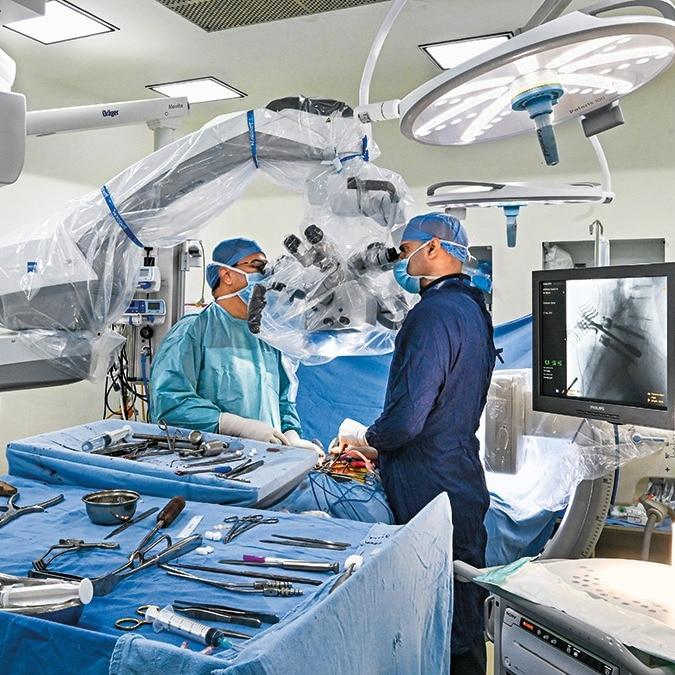
Foreign private equity firms such as Blackstone, KKR, TPG and General Atlantic have invested nearly $10 billion (around ₹96,200 crore) in India’s hospital sector over the past five years, according to an EY report. The investments are helping hospital chains expand their networks, add new beds and adopt advanced medical equipment and technology. The trend is also accelerating the consolidation of small and mid-sized hospitals into larger healthcare networks. However, concerns are growing that the increasing presence of foreign PE investors could contribute to higher treatment costs. A parliamentary panel has noted that medical inflation has reached around 13% annually.
The availability of recurring revenues after hospitals become fully operational is making the sector attractive to PE investors. They are acquiring multiple hospitals under a single network and integrating services to improve operational efficiency. Investments are also being driven by India’s shortage of hospital infrastructure and rising demand for specialised care. While PE-backed hospitals account for only around 5% of the country’s total hospital beds, industry sources say they have a strong presence in high-revenue segments such as cardiac care and oncology. The parliamentary committee has raised concerns that treatment costs at such facilities can be five to ten times higher than at conventional hospitals. Insurance companies have also flagged higher bills and the resulting increase in claim payouts and premiums. KKR’s aggressive expansion through acquisitions, including its investment in Kerala-based Baby Memorial Hospital and its planned acquisition of Medicover’s India operations, highlights the consolidation trend. Against this backdrop, the parliamentary panel has recommended revisiting foreign investment rules in hospitals and considering caps on treatment charges to ensure affordability and protect patients.










Comments (0)
No comments yet
Be the first to comment!