
General


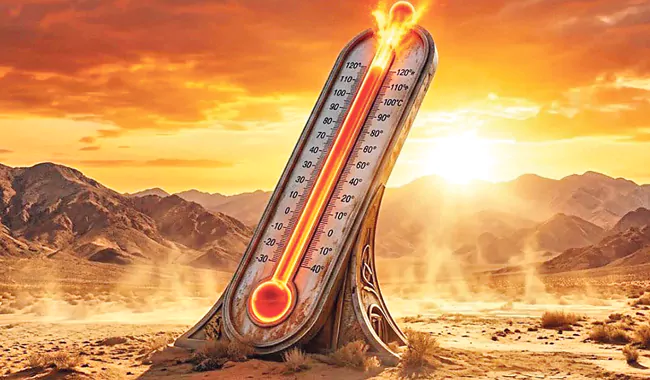
Growing concerns have emerged over the possible strengthening of El Niño, a climate pattern associated with changes in ocean temperatures and weather conditions worldwide. According to the report, the World Meteorological Organization (WMO) has warned that several regions could experience temperatures above normal as the phenomenon intensifies. El Niño could peak in December and potentially persist until February next year. The report also points to a possible significant rise in sea-surface temperatures across the central and eastern tropical Pacific between October and December. Climate experts warn that a strong El Niño could amplify the effects of human-driven climate change and increase the risk of extreme weather in several parts of the world.
A strengthening El Niño can influence global weather patterns, increasing the likelihood of extreme heat, irregular rainfall and drought in some regions. India could also face consequences for agriculture, water availability and public health, depending on how the phenomenon interacts with other weather systems. Reduced or unevenly distributed rainfall could put additional pressure on farmers and water resources. However, El Niño does not affect every region in the same way, and its actual impact depends on local conditions and other climate factors. Updated forecasts from meteorological agencies will be important in assessing the likely effects on temperatures and rainfall in the coming months.












Comments (0)
No comments yet
Be the first to comment!