

Shows


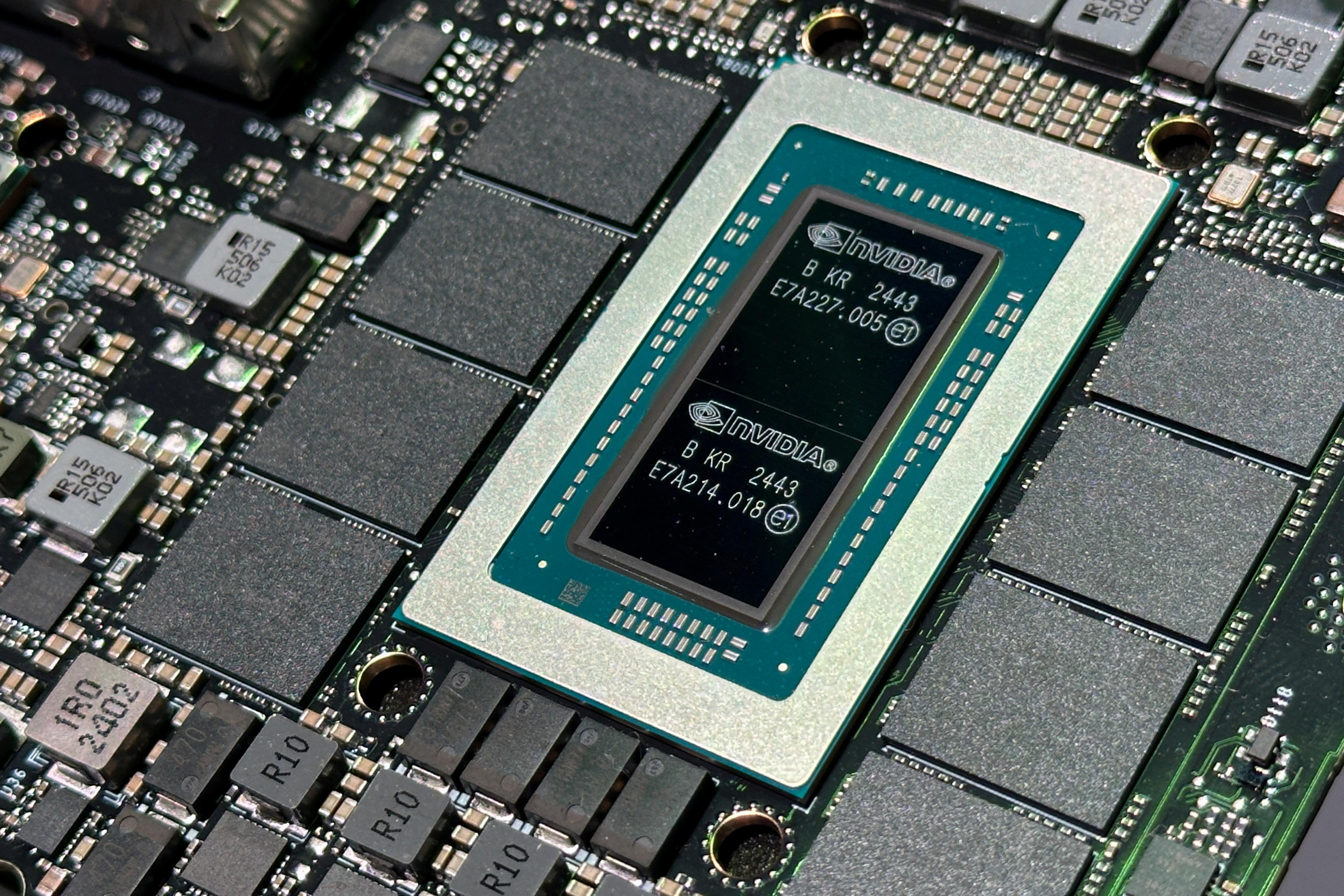
The United States is strengthening its international partnerships to restrict China’s access to advanced and powerful computer chips, with India emerging as an important partner in the strategy. According to a report by the Financial Times, the move is aimed at tightening controls over the global supply of high-end semiconductors and preventing sensitive technology from reaching China through unauthorised channels. The initiative follows concerns over alleged attempts to divert large quantities of advanced chips to China, including reports of a honey-trap operation involving Nvidia CEO Jensen Huang. As part of this broader strategy, India has signed the San Francisco Declaration on the Secure Foundation of Enduring Prosperity, also known as the San Francisco Declaration. The United States, Japan, Australia, Israel, the United Kingdom, South Korea, Qatar and the United Arab Emirates are among the other participants.
The declaration is being viewed as another step towards strengthening the Pax Silica initiative, through which the US aims to reduce dependence on China in critical technology supply chains. The agreement covers semiconductors, critical minerals, advanced manufacturing, energy infrastructure and data centres. Since chip design, manufacturing and distribution are spread across different countries, securing the entire supply chain has become a major challenge. India's participation could strengthen its position in the global semiconductor ecosystem, particularly as the country expands its domestic chip manufacturing capabilities. Indian companies may also gain opportunities to become trusted suppliers in the international technology supply chain. Germany, the European Union, the Netherlands and Sweden are also expected to join the declaration, according to the report.


















Comments (0)
No comments yet
Be the first to comment!