





Politics


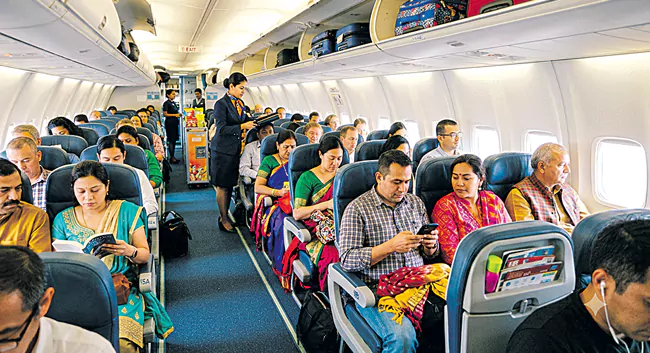
Higher aviation turbine fuel (ATF) prices and a weakening rupee against the US dollar are putting pressure on India's aviation sector. The rise in crude oil prices amid the West Asian conflict has pushed domestic and international airfares up by 20 to 50 per cent compared with last year. As a result, middle-class travellers are becoming more cautious about spending on air travel. Travel portals report that some passengers who once preferred flights for faster journeys are now considering alternatives such as Vande Bharat Express trains. With demand slowing and operating costs increasing, airlines are focusing on profitable routes and reducing services where passenger traffic is insufficient. Nearly one-fifth of the aircraft available in the country are estimated to be currently out of operation.
According to data from UK-based aviation analytics firm OAG, airlines offered 2.106 crore seats on domestic and international routes in November, 3.7 per cent fewer than in November 2025. The number of flights also declined by 6.2 per cent. Domestic air passenger traffic between April and September this financial year fell by 1.9 per cent compared with the corresponding period last year. Seat capacity at Hyderabad airport dropped by 12.1 per cent, while Chennai recorded an 11.7 per cent decline. Several other major airports, including Delhi, Mumbai, Bengaluru and Kolkata, also saw reductions. SpiceJet and other airlines cut capacity, while Akasa Air expanded its seat availability. The trend indicates that airlines are increasingly prioritising revenue and profitability over passenger numbers.














Comments (0)
No comments yet
Be the first to comment!