

General


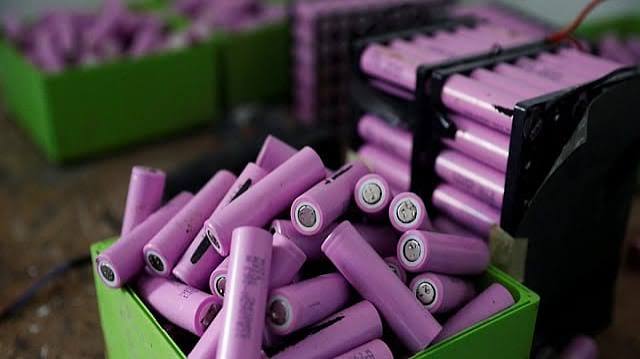
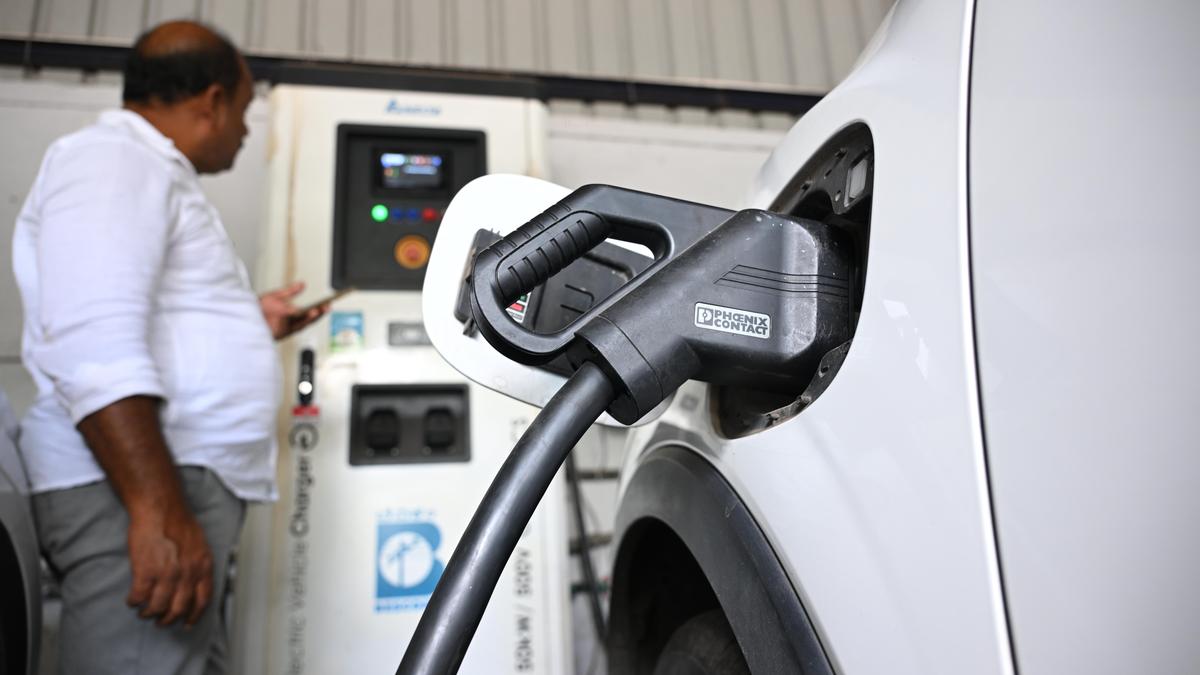
With electric vehicle adoption and renewable energy storage systems expanding rapidly across India, the Central Government has announced restrictions on the export of certain battery waste materials. The Directorate General of Foreign Trade (DGFT), under the Ministry of Commerce and Industry, has issued a notification immediately prohibiting the export of unsorted battery waste and lithium-ion battery black mass. The restriction will remain in force until further orders. The move is aimed at retaining valuable battery-related materials within the country and supporting the development of India's domestic battery recycling industry.
Under the revised export policy, unsorted battery scrap and lithium-ion battery black mass that do not contain lead, cadmium or mercury have been shifted from the 'Free' category to the 'Prohibited' category under the relevant ITC (HS) classification. Earlier, exports of primary cells, primary batteries, electric accumulators and waste from used batteries were permitted under the free export category, subject to applicable rules. With the latest change, exporters will no longer be allowed to ship the specified unsorted battery waste materials abroad. Lithium-ion battery black mass contains valuable materials such as lithium, cobalt, nickel and manganese, which can be recovered through recycling. By restricting exports, the government aims to make these resources available to domestic recycling units, strengthen the circular economy and support India's ambitions in green energy and battery manufacturing.









Comments (0)
No comments yet
Be the first to comment!